
Wildfire Smoke and Home Air Quality
August 10, 2026
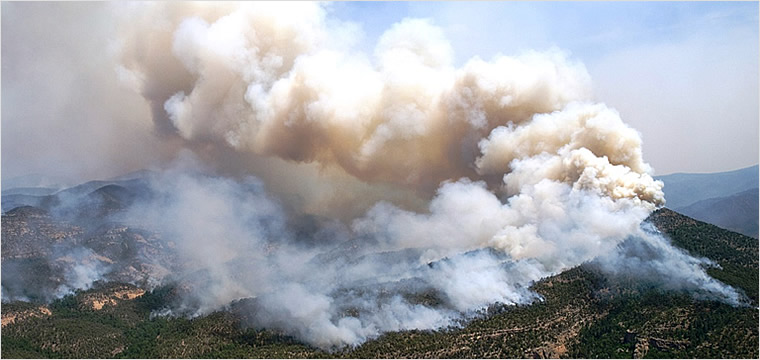
Smoke from nearby or distant fires can affect air quality for days or weeks. Fine particles called PM2.5 are small enough to enter deep into the lungs. Children, older adults, pregnant people, and anyone with asthma or heart disease face the highest risk.
When to stay indoors
Check your local air quality index (AQI) each morning during fire season. When AQI reaches "Unhealthy for Sensitive Groups" or worse, limit outdoor activity. Keep windows and doors closed. Run HVAC systems on recirculate if that option is available.
Using N95 respirators correctly
Cloth masks and surgical masks do not filter fine smoke particles. N95 or KN95 respirators can help when you must work outside briefly, such as checking property or loading a vehicle.
- Choose a size that seals against your face without gaps
- Replace the mask when breathing becomes difficult or the surface is dirty
- People with certain lung conditions should ask a doctor before using N95 masks
Cleaning ash inside the home
Ash is alkaline and can irritate skin and lungs. Avoid dry sweeping, which stirs particles back into the air.
- Wet ash lightly with a spray bottle before wiping surfaces
- Use damp cloths or mops rather than brooms on hard floors
- Run a portable HEPA air cleaner in the room where you sleep
- Change HVAC filters more often until ash levels drop
Emotional stress counts too
Days of hazy skies and sheltering indoors wear on mental health, especially after property loss. The emotional support resources page lists counseling services and hotlines available to New Mexico residents.
For safety steps when returning to a burned property, see Immediate Safety. For real-time fire and smoke maps, visit Wildfire Information.