
Community Recovery Planning After Wildfire
August 28, 2026
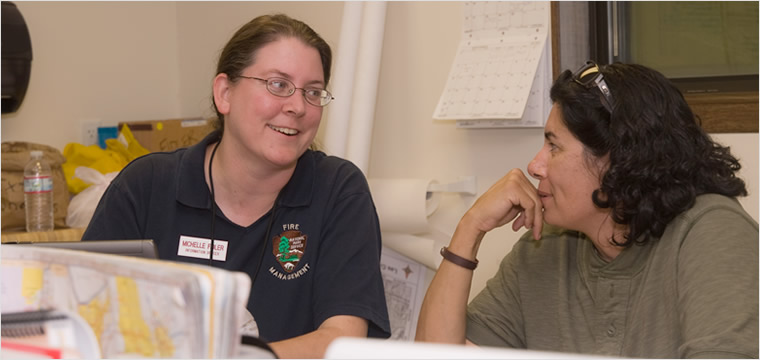
After a destructive wildfire, residents look to local officials, fire districts, and volunteer groups for direction. A clear recovery plan reduces duplicate effort and helps people get accurate information when phone lines and social media are overloaded.
Assign a single point of contact
One named person or small team should field public questions and pass requests to the right agency. That contact publishes meeting times, shelter locations, and road closures in one place. The Mobilize Your Community section describes how to establish this role and keep messages consistent.
Hold a short daily briefing
Even a 15-minute call between county staff, fire officials, and community leaders keeps everyone aligned. Cover these items each day during the first week:
- Which roads and neighborhoods remain closed
- Where residents can get food, water, and shelter
- Upcoming weather that could affect flooding or debris flows
- Volunteer tasks that need supervision
Match needs with programs
Many assistance programs have specific eligibility rules and application windows. Early outreach prevents residents from missing deadlines. Start with the Who Can Help? section and share printed summaries at community meetings for those without reliable internet.
Plan for the long term
Recovery does not end when the news cameras leave. Track damaged infrastructure, private roads, and untreated burn areas that still need erosion work. Connect with NRCS, State Forestry, and local watershed groups about post-fire treatments before the next heavy rain season.
Financial questions residents will ask
Insurance claims, FEMA registration, and small-business losses generate the most calls after the first week. Point people to Financial Tips and keep a list of local agents and nonprofit legal aid contacts handy.
Related reading: Preparing for Post-Wildfire Flooding in New Mexico.